Every job starts with a walk-through at your home.
A large prewar living room halfway through being painted: the far and right walls a fresh sage green, the left wall still cream, a sofa under clear plastic in the middle of the room, canvas drop cloths over the oak floor, a roller on an extension pole leaning in the corner and an empty tray on the cloth, morning light from two tall double-hung windows with radiators under them.

37-32 61st Street, Woodside, Queens

Interior painting for Queens apartments and houses, planned in the open

Walls, ceilings, trim and doors in Queens apartments, co-ops and houses, prepared before a drop of paint goes on and charged by the painter-hour at one published rate. Every room is seen at your door before it is priced, and the work is run from an office on 61st Street in Woodside.

  • Every job starts with a walk-through at your home.
  • A demonstration site — this painting company, its painters and its customers are not real.

AI-generated illustration. Not a real home or business.

$70
for each painter for each hour, before sales tax, the same on every working day
2
coats on every wall and ceiling, with a primer coat first for a big change of color
3
business days to cancel a signed contract, owing nothing, before anything starts
1978
every home built before it is prepared under plastic sheeting, wet and by hand

What we do

A painting company that shows its working

Sashbrook Painting paints the inside of apartments and houses in Queens, prepares the walls before it paints them, and paints the outside of smaller houses once it has seen them. These are the things it does in the open, each with a page that says how.

A planner that shows its working

The scope planner turns your answers into a crew, a range of painter-hours and working days, and the paint the rooms need, and works out the money from the published rate and prices. Both ends of the range are printed the same size, because either can happen.
Open the scope planner

Seen first, then written down

After the walk-through you get a written contract: what is painted, the prep, the paint by kind and sheen and the colors, the price, the dates we expect to start and finish, and the payment stages.

What the contract says

The prep, done properly

Cracks and holes filled twice, sanded flat and spot-primed, gaps caulked: the work the paint shows or hides.

Patching and prep

Older homes, prepared by hand

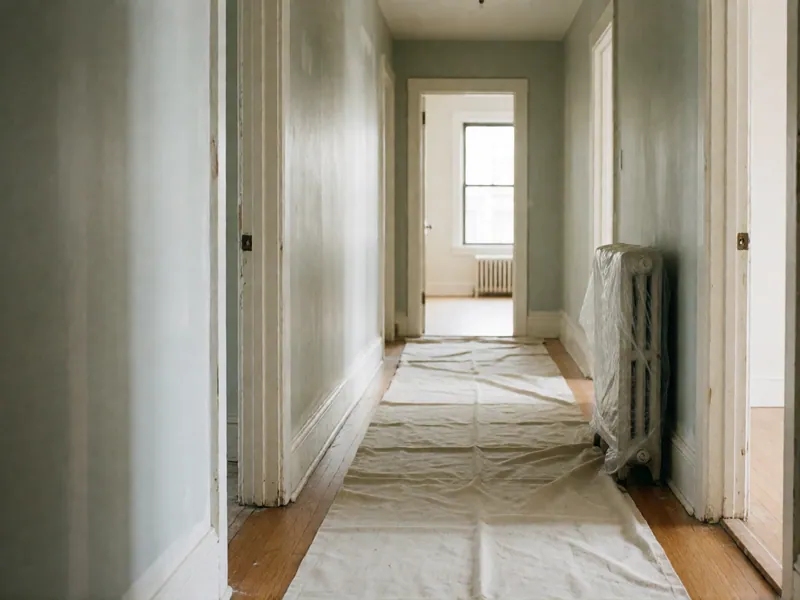
Plastic over the floor and the doorway, wet hand prep, no flame and no power sander, a HEPA clean-up and a check against the card.

Older homes and lead

The building handled

Many buildings allow work only on weekdays, often from nine to five, and want the service elevator booked and the hall protected. The building's rules win, and a shorter day on site is planned for at the walk-through.

Building paperwork

Plain about the paint

That is the law, not a selling point, and it is why this site makes no claim that a paint is green, safe or free of anything.

The paint

Promised in writing, and nothing else

We promise what is in writing: what is painted, how it is prepared, the paint, the price, the dates and the touch-up visit the contract names.

What we will not claim

Services

Inside: walls, ceilings, trim and doors

Charged by the painter-hour, at a rate printed on the site.

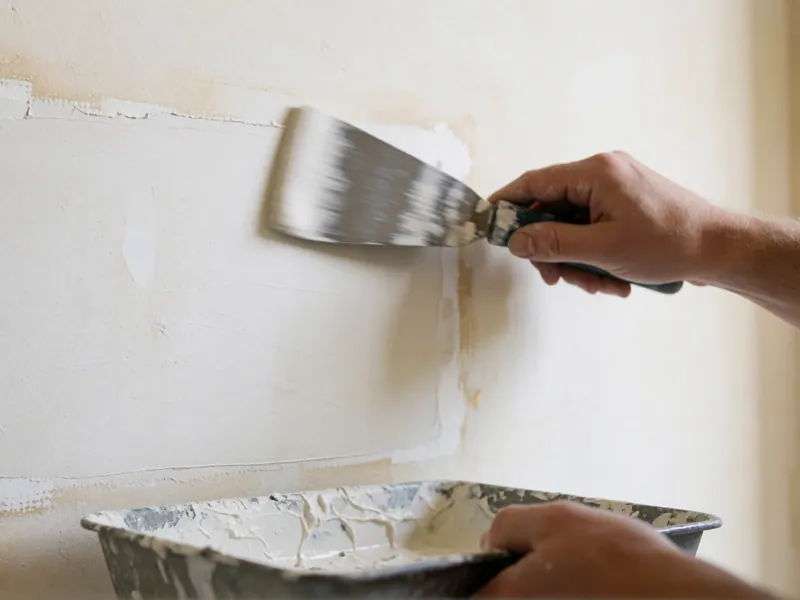
Most of a paint job is finished before the paint is opened. Ilse Moraes-Quaye fills, sands and spot-primes, and sets up the plastic in older homes. She fills a crack twice, because filler shrinks as it dries. The first pass sinks a little as it dries; the second brings the crack level with the wall, and only then is it sanded and spot-primed, so the line does not come back through two coats.

Spot priming sounds like a small step and isn't. Filler takes paint differently from the wall around it, and an unprimed patch shows through the finish as a dull square the moment light falls across the wall from a window.

Casimir Oduya-Hart leads the crews in apartments and houses across Queens. He paints the ceiling first and the trim last, every time. A roller overhead throws a fine mist, and it should land on walls that are still to be painted. The trim goes last because a straight line of enamel is easier to lay against a finished wall than the other way round.

What a painting day looks like

How a job goes, in six steps

Planned first, seen at your door, written down and signed, and paid for after each stage is done. Nothing on this website books a painter.

  1. Plan it

    The scope planner turns your rooms and their condition into a crew, painter-hours and working days at the published rate. It takes about two minutes.

  2. Send it, if you like

    Sending the planner's range to us is an enquiry, not a booking. It holds no date and commits you to nothing. We call or e-mail within one business day to arrange the walk-through.

  3. The walk-through

    At your home, about forty minutes: every wall, ceiling, door and window, the old paint, the furniture, the building's rules. It costs nothing, and nothing has to be signed after it.

  4. A written contract

    What is painted, the prep, the paint, the colors, the price, the dates and the payment stages, signed by both of us.

  5. Three business days

    You can cancel until midnight of the third business day after signing. Nothing starts before then.

  6. The work, then the stages

    Nothing is paid on this website, and there is no deposit. You pay in stages, after each stage is done, from the contract; a job planned for two working days or fewer is paid when it is finished. Card or check; we don't take cash.

A worked example

What the planner prints, and how to read it

This is the scope planner's answer for a prewar one-bedroom, trim and doors included, in a 1930s walk-up in Sunnyside: two painters, 61 to 86 painter-hours, over 4 to 5½ working days, all at the published rate.

The two ends are printed the same size because either can happen. The low end is the apartment whose walls are exactly as they were described; the high end is the one where the cracks run further than they looked from the sofa.

The building is older, so the planner counts the work an older home takes, room by room: the plastic sheeting, the clean-up and the check against the cleaning card come to about six painter-hours before the range is spread either way, and the prep, done wet and by hand, to about sixteen painter-hours.

The four doors are counted one by one, both faces and the frames, and their enamel is in the paint line by the item rather than by the gallon. The walls, the ceilings and the trim are in the hours as separate coats, because each coat is its own pass round the room.

A worked example: a planning range

A prewar one-bedroom, trim and doors included A 1930s walk-up in Sunnyside

The sixteen answers behind it
Bedrooms
1
Living or dining rooms
1
Kitchens
1
Bathrooms
1
Hallways and entries
1
Where is it?
Woodside or a neighborhood next to it
How big are the rooms?
About average for New York
How high are the ceilings?
Nine to ten feet, as many prewar buildings have
What are we painting in those rooms?
Walls, ceilings and trim: baseboards, windows and the inside of the closets
Is any of the ceilings textured, sprayed-on or "popcorn"?
No, the ceilings are smooth
And the doors?
The doors of these rooms, both sides and the frames
What shape are the walls in?
Fair: cracks, dents, some flaking at the windows or radiators
And the color?
A new color of about the same depth
How furnished are the rooms?
Furnished, as most homes are
When was the building built?
Before 1960
What kind of home is it?
An apartment in a building with three or more apartments (a co-op or condo included)
  • Paintersby the size of the jobTwo painters
  • Painter-hoursthe work, counted in whole hours61 to 86 painter-hours
  • Working days on sitewith this crew4 to 5½ working days
  • The ratethe same on every working day$70 a painter-hour
  • The time, at the ratethe painter-hours at the rate$4,270.00 to $6,020.00
  • The paint, roughlytwo coats, rounded up to the gallon9 gallons of wall paint and 4 of ceiling paint
  • Paintby the gallon, and the trim enamel by the item$1,063.00
  • Plastic, tape, filler and the restfive rooms together, the lead-safe sheeting included$350.00
  • Before sales taxthe time, the paint and the materials$5,683.00 to $7,433.00
  • Sales tax, 8.875%on the whole bill$504.37 to $659.68
  • The rangea planning range, not an estimate$6,187.37 to $8,092.68
  • Built before 1978: planned lead-safe. It takes longer, and the scope planner counts the time.

The scope planner's answer to these questions, at the published rate and prices. A planning range is not an estimate or a quote, and nothing on this site is an offer of work.

Rates

One rate, every working day

The rate is $70 for each painter for each hour on the job, the same on every working day. A painter-day of eight hours is $560.

It does not change with the room, the building or the time of year. What changes from one apartment to the next is the hours: how much wall there is and what shape it is in, how many doors and windows, how much furniture has to be moved and covered before anyone opens a can.

The rate, the paint by the gallon, the trim by the item, and five worked examples

Services

Outside: siding, trim, stoops and railings

Every exterior is seen first.

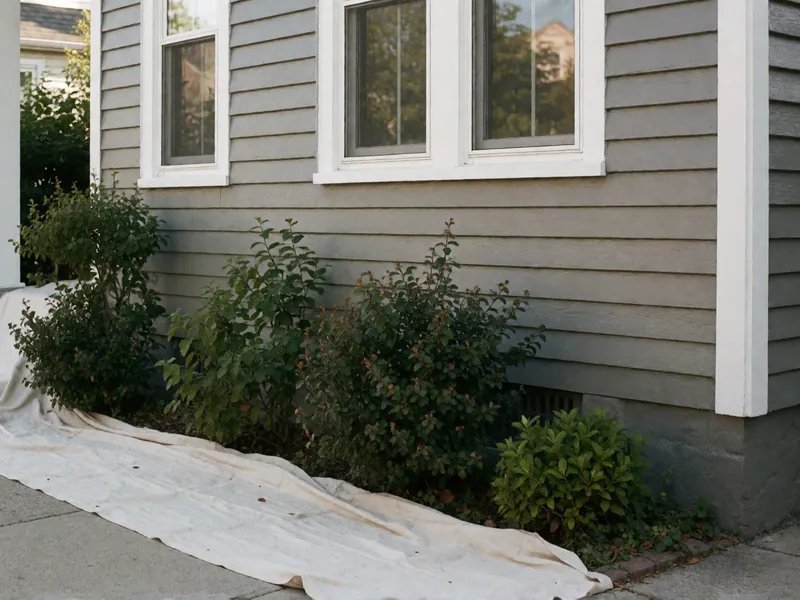
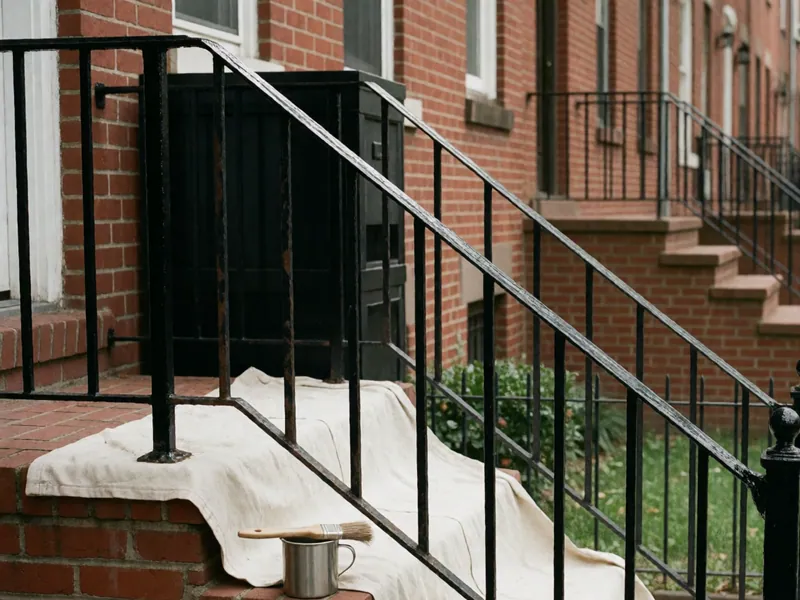
An exterior is planned from the sidewalk, not from a form. Old aluminum siding chalks, and comes off white on a fingertip until it is washed; clapboard sheds its paint first on the side the weather hits; an iron railing rusts from underneath the old enamel, where nobody looks.

That is why every exterior is seen before it is priced, and why the railings are brushed back to sound metal and primed the same visit, before bare iron has a night to rust again.

The painters

Six people, described by what they do

Six people run this company: an owner who does the walk-throughs, an office coordinator, a second walk-through and color lead, a crew lead, a prep and patching lead, and a painter for doors, trim and wallpaper, each with painters on the crew. None of them is described here by a license, a certification, a course or years in the trade: the law says what a real painter must hold, and these pages say what each of these people does.

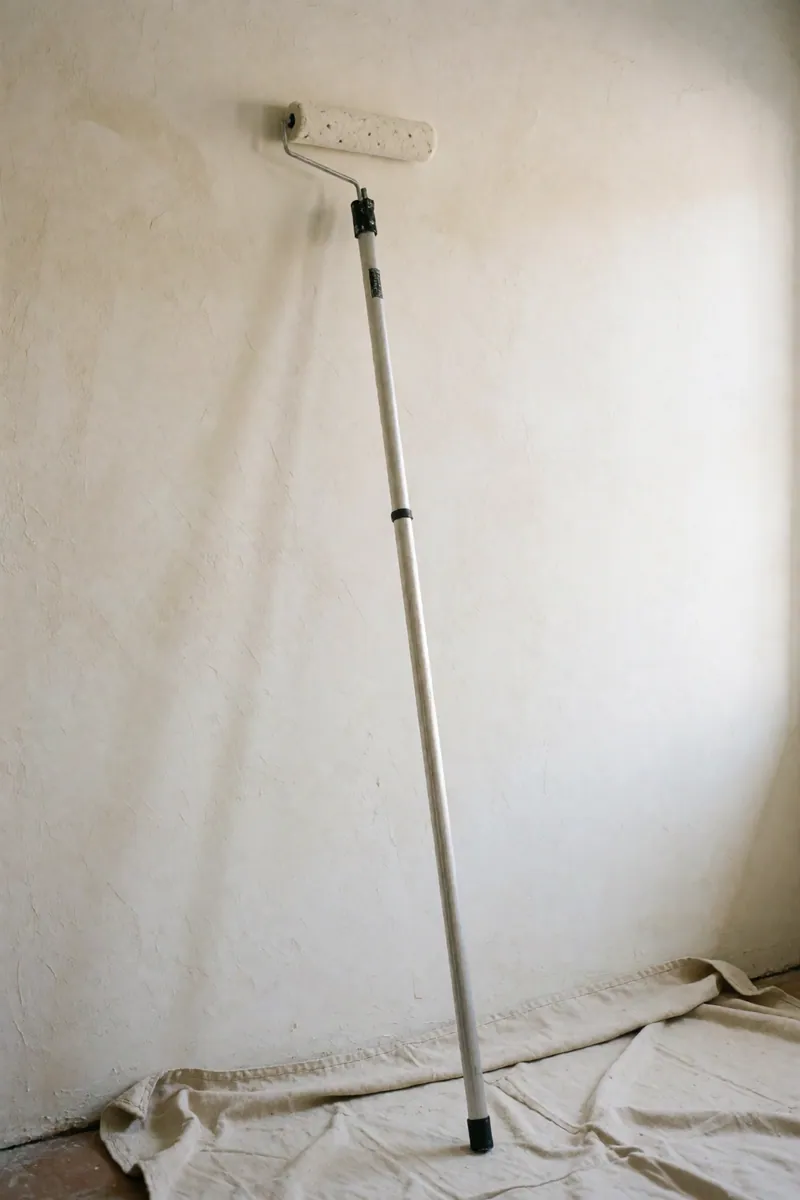
A long aluminum extension pole with a roller on it leaning against a freshly painted warm white wall, a drop cloth at its foot.AI-generated illustration. Not a real home or business.

Marisol Achterberg-Nunes

Owner, walk-throughs

Runs the company and does most of the walk-throughs.

Marisol runs a hand along every wall at the walk-through, because a crack you can feel is a crack the paint will show.

Marisol writes the contract after every walk-through, and reads the prep line back to you before she sends it.

The picture is a still of the tools, not a portrait.

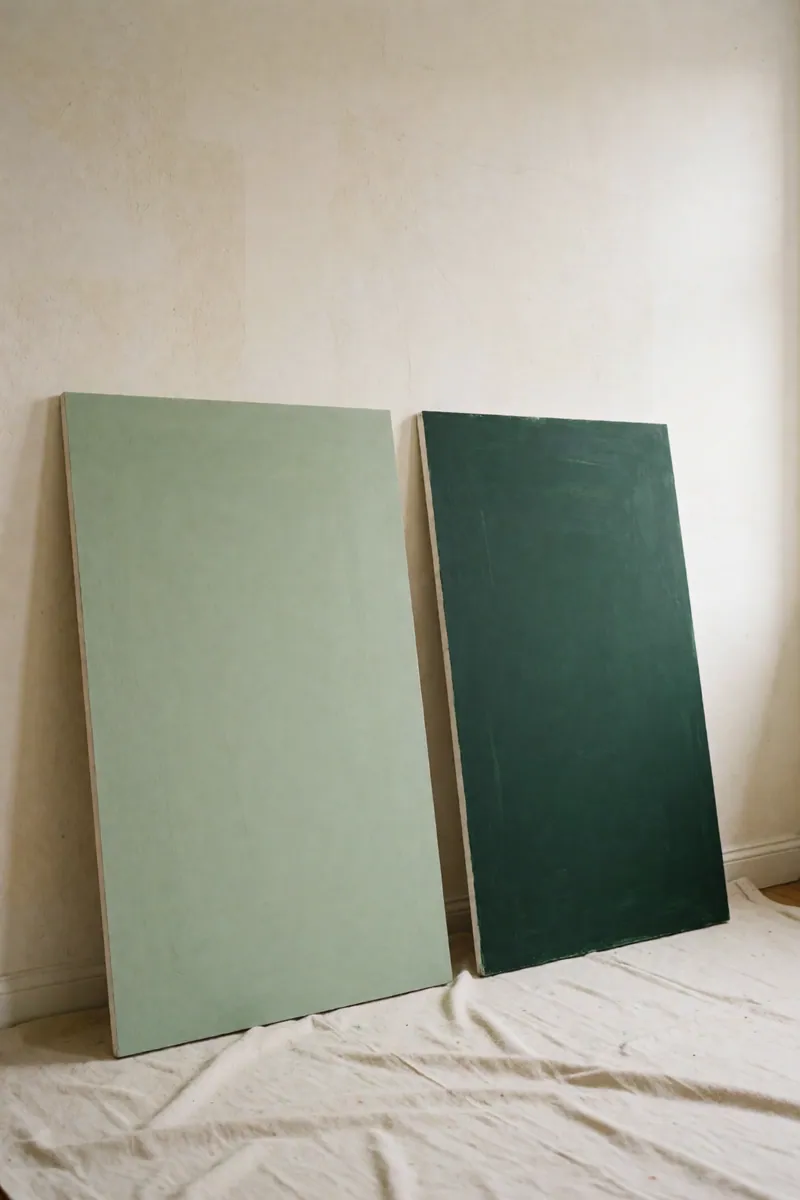
Two large primed boards leaning against a cream wall, one brushed a soft sage green and one a deep forest green.AI-generated illustration. Not a real home or business.

Anjali Ferreira-Lund

Walk-throughs and color

Does walk-throughs, and brushes the color samples on the wall.

Anjali brushes samples two feet square, because a chip the size of a stamp tells you nothing about a wall.

Anjali looks at them with you in the morning and again in the evening light.

The picture is a still of the tools, not a portrait.

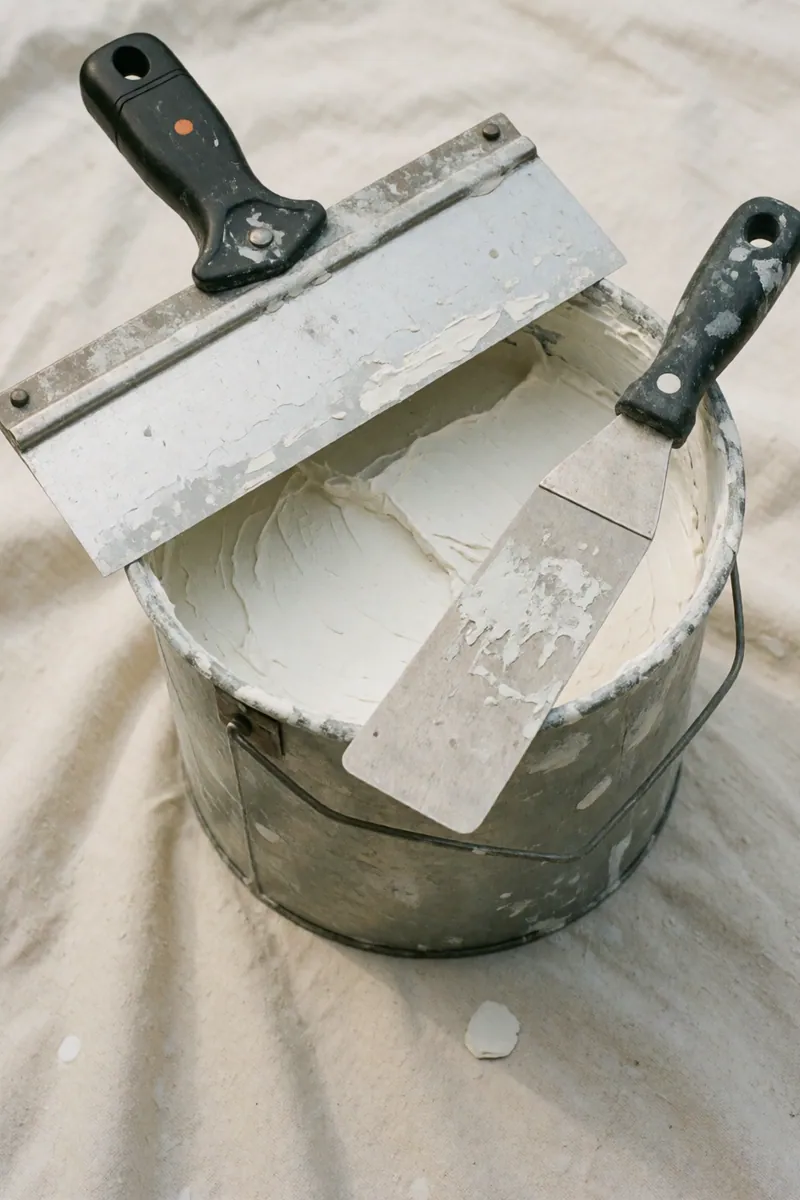
A wide taping knife and a narrow putty knife resting across a steel pail of white joint compound on a canvas drop cloth.AI-generated illustration. Not a real home or business.

Ilse Moraes-Quaye

Prep and patching lead

Fills, sands and spot-primes, and sets up the plastic in older homes.

Ilse fills a crack twice, because filler shrinks as it dries.

Ilse wipes every sill against the cleaning card before a room in an older home is opened again.

The picture is a still of the tools, not a portrait.

All six of them

Where we stop

What you won't read on this site

Painting sites in the city are full of claims a painter here could not back: a license number, a badge for lead, a price from a form, a promise with no end date. Each of these pages quotes one, says why it is left out, and cites the rule.

Everything we will not claim

This is a demonstration website. Woodside Sashbrook Painting, LLC is a fictional painting company and has no connection with any real painter in Woodside, in Queens or anywhere else; "Woodside" is the house name of a set of demonstration companies. Its painters, its jobs and its customers are invented, it holds no license, certification or insurance of any kind, no one will call or come, and nothing sent here will be charged. Every picture on the site was generated. It was built to show what a painting company's own website and enquiry system can look like; the scope planner and the enquiry form genuinely work, against a database, on this subdomain.

Plan your painting

Try the scope planner: a crew, painter-hours and working days at the published rate, in about two minutes. Sending it to us books nothing.