Every job starts with a walk-through at your home.
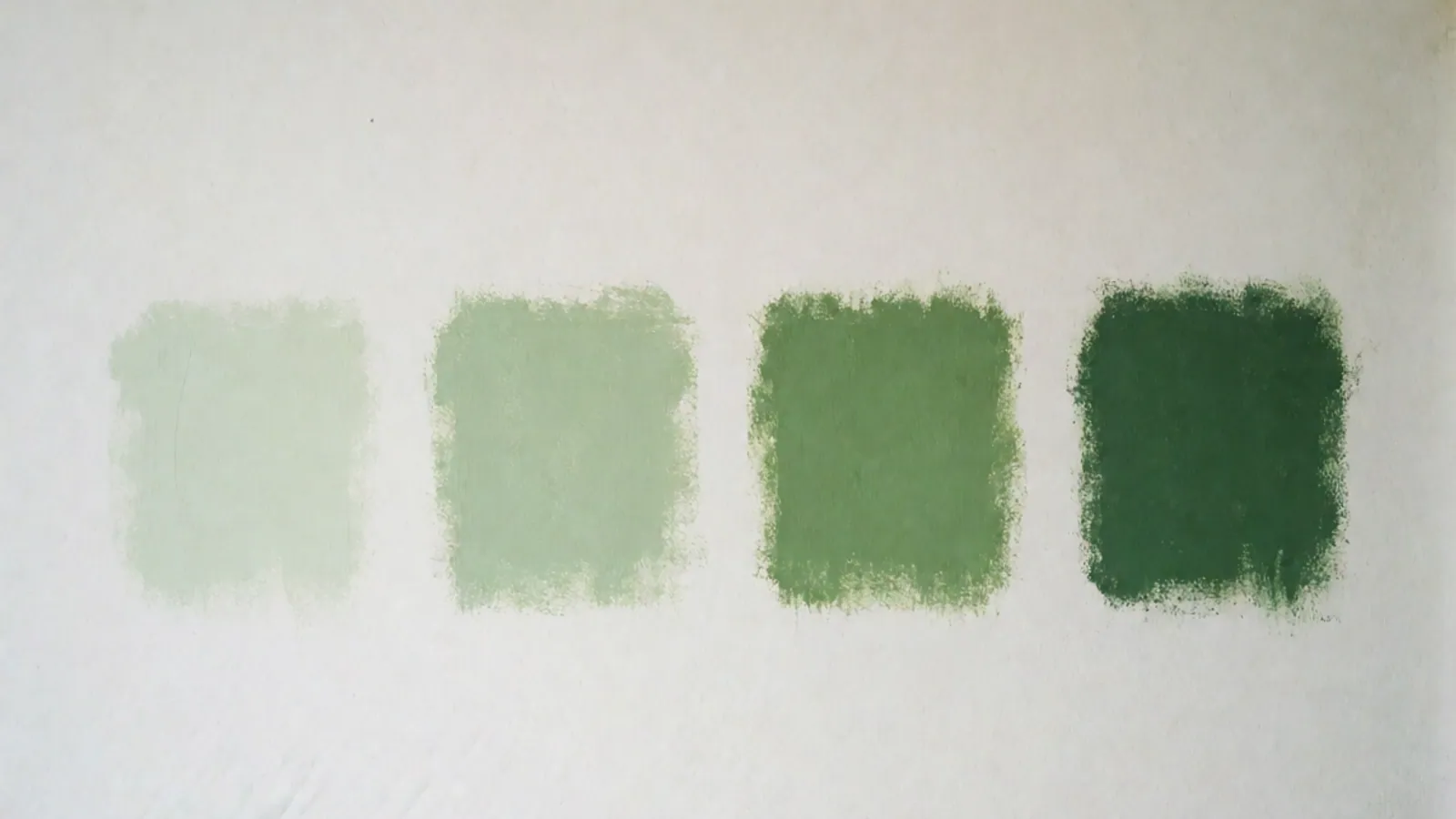
Four square samples of green, from pale to deep, brushed side by side on a primed white wall.

Getting ready

What goes on the walls, and why

Three kinds of paint and a primer, priced by the gallon or by the item, and described by what they are rather than by whose they are.

  • Your colors, from any maker
  • Two coats on every wall

AI-generated illustration. Not a real home or business.

What goes on

The paint is charged at the prices on this page, by the gallon for walls, ceilings and primer and by the item for the trim enamel, for what the job uses. Walls get a premium acrylic, matte or eggshell; ceilings a flat white; doors and trim a waterborne enamel, satin or semi-gloss. You choose the colors. No brand is named on this site.

  • Walls

    An acrylic stays a little flexible as a building moves through the seasons, cleans up with water, and comes in the sheens a wall needs. Two coats, because the first one is never even: it soaks into the patches and the old paint at different rates.

  • Ceilings

    A ceiling is lit from the side by every window in the room, which is the light that shows a roller's path and every wave in old plaster. A flat white shows neither.

  • Doors and trim

    A waterborne enamel flows out as it dries, so the brush marks level, and it dries harder than wall paint, so the edge of a door takes the wiping it gets.

  • Primer

    Over every patch, so it does not show through the finish as a dull spot; over a water stain, which bleeds through ordinary paint; and under a big change of color.

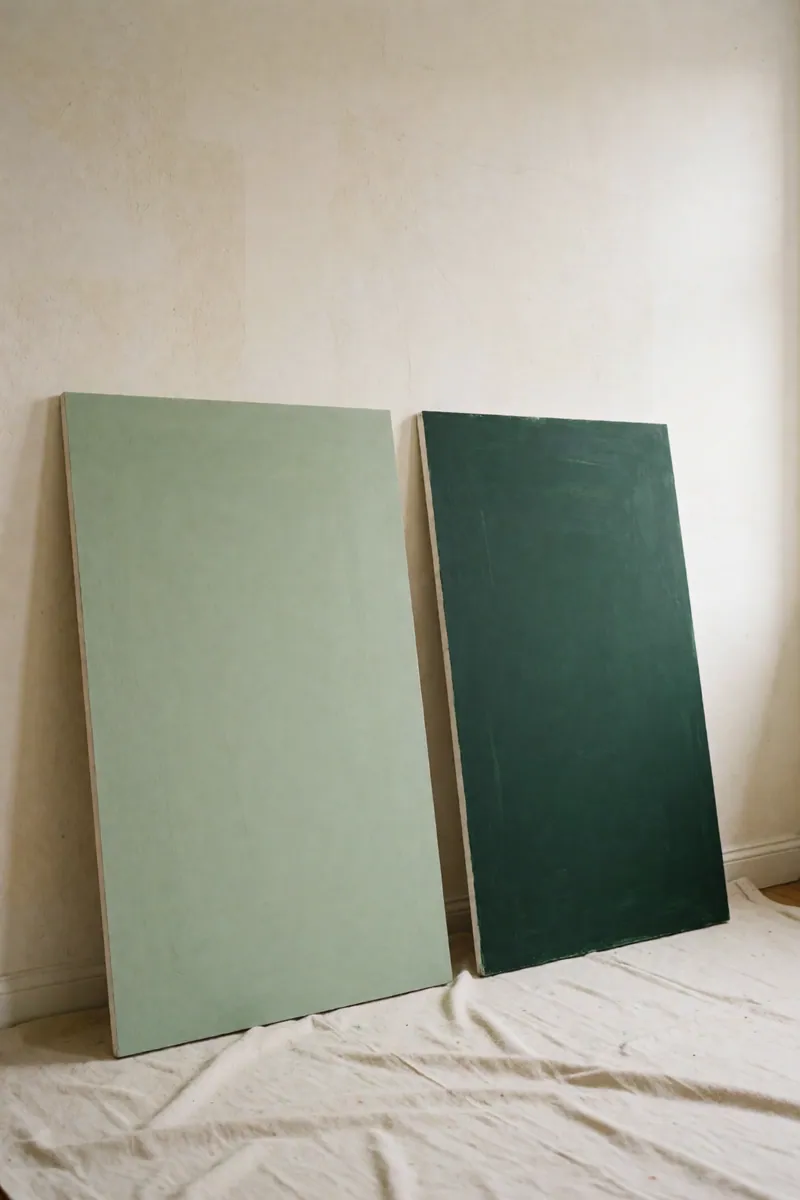
Two large primed boards leaning against a cream wall, one brushed a soft sage green and one a deep forest green.AI-generated illustration. Not a real home or business.

Anjali Ferreira-Lund

Walk-throughs and color

Does walk-throughs, and brushes the color samples on the wall.

Anjali brushes samples two feet square, because a chip the size of a stamp tells you nothing about a wall.

Anjali looks at them with you in the morning and again in the evening light.

The picture is a still of the tools, not a portrait.

What it costs

Charged for what the job uses, at these prices.

The paint the scope planner counts, charged by the gallon for what the job uses. No brand is named. Sales tax is added on the whole bill, at 8.875%.
The paintA gallon, before sales taxA gallon covers
Wall paint: premium acrylic, matte or eggshell$72about 350 square feet a gallon, a coat
Ceiling paint: flat white$55about 325 square feet a gallon, a coat
Primer, stain-blocking where it needs to be$48about 300 square feet a gallon, a coat
The trim enamel is charged by the item rather than by the gallon. Sales tax is added on the whole bill, at 8.875%.
The itemThe enamel, before sales tax
A door, both faces and the frame, two coats$14
A window: the sashes, the casing and the sill, two coats$9
The inside of a reach-in closet, shelf included$9
Baseboard, for every ten feet$4

Two on every wall and ceiling. A big change of color, dark to light or light to a deep color, takes a primer coat first; the planner adds it.

Which sheen goes where

Which sheen goes where. Flat or matte for ceilings and for walls that should hide their flaws; eggshell for most walls; satin or semi-gloss for kitchens, bathrooms, doors and trim, which are wiped.

The more a paint shines, the better it takes a wipe and the more it shows what is under it. A flat wall hides the ridge of an old patch that a satin wall in the same light puts on display, so a sheen is chosen for the room's use and for the walls' condition together.

That is why the trim is shinier than the wall: a door frame and a baseboard are touched, kicked and wiped, and they are narrow enough that their flaws are small.

Choosing the colors

Your choice, tested at home. You choose the colors, from any maker's colors; we brush a few large samples on the wall after the walk-through so you can see them in your own light, morning and evening.

A color looks different on a chip in a store, on a wall facing north, and on the same wall at dusk with the lamps on. A large patch brushed on your own wall, seen at the times of day you use the room, is the only way to know.

Brush the samples where they will be seen against the trim and the floor, not in the middle of a bare wall, and look at them from the doorway, which is where most of a room is seen from.

Drying, and hardening

Dry, then hard. Acrylic paint is dry to the touch in about an hour and ready for its next coat in two to four; a room can be used lightly the next day. It hardens fully over the next month, so books on a fresh shelf or a lamp on a fresh sill wait about five days.

Leave a window open a little where you can; the paint dries faster. Fresh air carries off the water an acrylic gives up as it dries.

The State's limits on solvents

New York limits the solvents, the VOCs, in architectural paint: fifty grams a liter for flat paint, a hundred for eggshell to semi-gloss and for primers, a hundred and fifty for high gloss. The limits bind the painter who applies it as well as the store that sells it, so every paint we apply is within them. That is the law, not a selling point, and it is why this site makes no claim that a paint is green, safe or free of anything.

Plan your painting

Try the scope planner: a crew, painter-hours and working days at the published rate, in about two minutes. Sending it to us books nothing.