$70 a painter-hour, plus sales tax
Apartment, co-op and condo painting
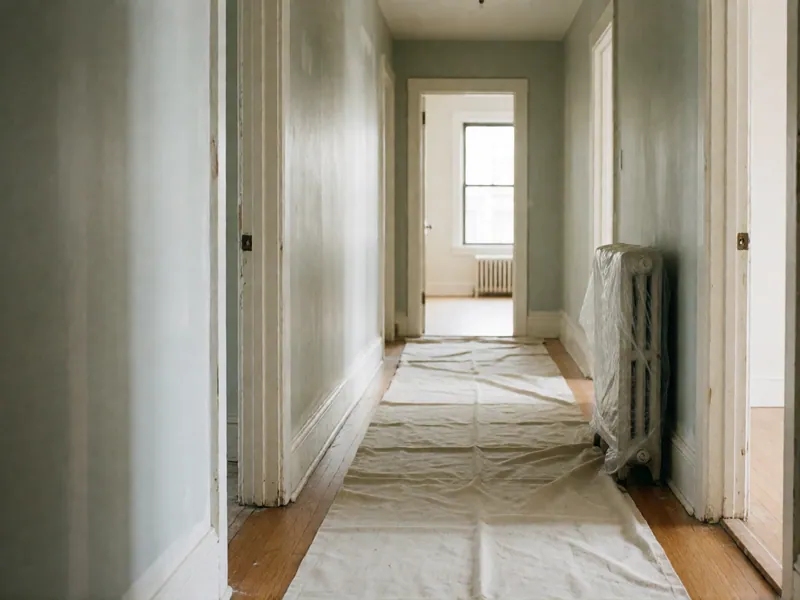
Whole apartments, co-ops and condos: the building's hours kept, the hall and the elevator protected, a room you can sleep in every night.
Every job starts with a walk-through at your home.
37-32 61st Street, Woodside, NY 11377
Painting inside
Walls and ceilings in apartments and houses across Queens: filled, sanded, spot-primed and given two coats, at one published rate.
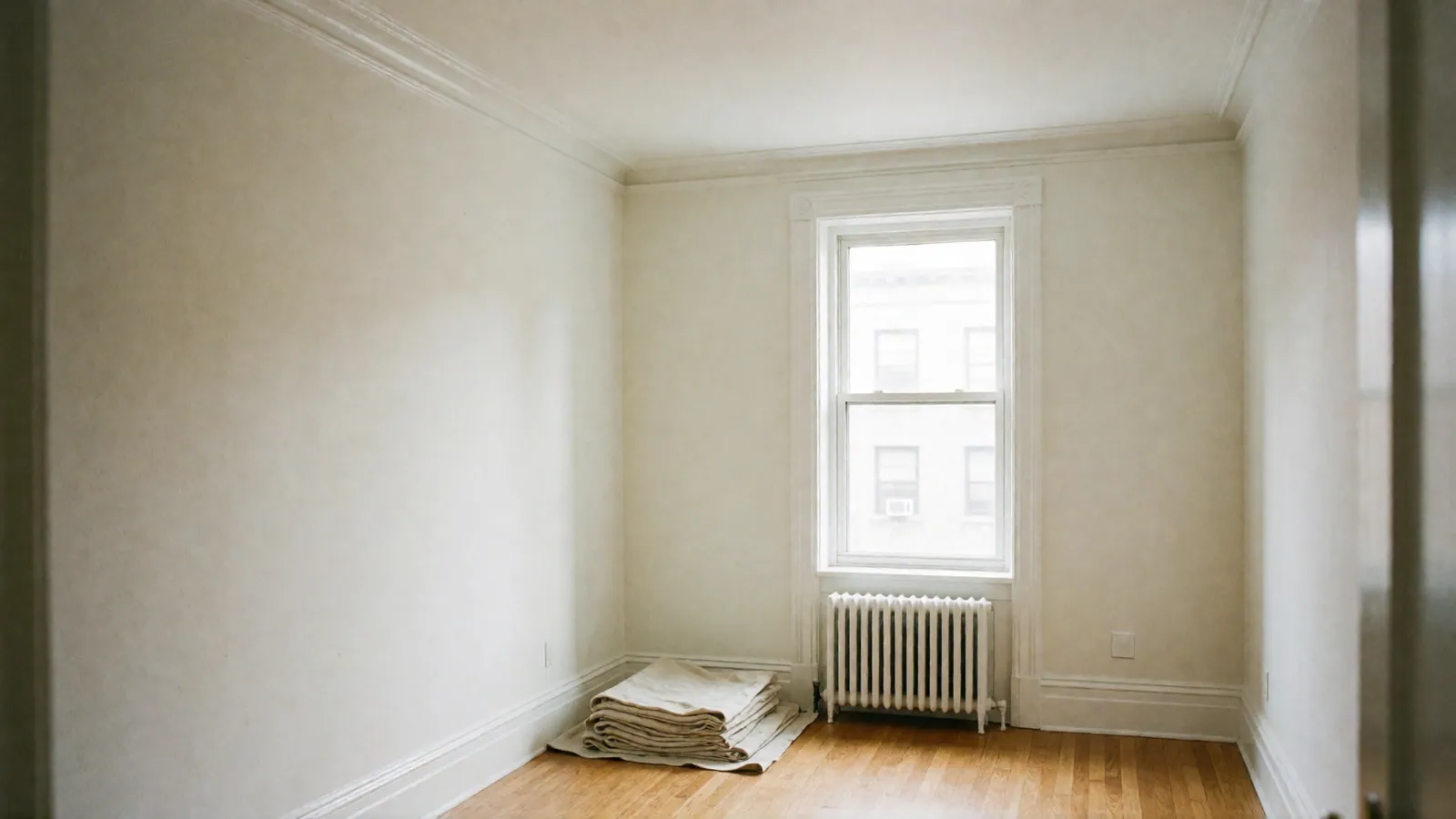
AI-generated illustration. Not a real home or business.
Nothing in a room is painted until everything that is not being painted is out of the paint's way. The furniture goes to the middle under plastic, canvas goes over the floor, and the switch plates and outlet covers come off rather than being painted around, because a painted outline around a plate is the first thing anyone sees when the plate comes off at the next repaint.
Then the walls are washed where hands and cooking have been: beside the light switches, around the door handles, behind the stove. Paint does not hold to grease, and a smear of it under a new coat shows as a ring that will not cover. The holes and cracks are filled, the filler is sanded flat, the gaps along the trim are caulked, and every patch is spot-primed, so that it takes the finish the way the wall around it does.
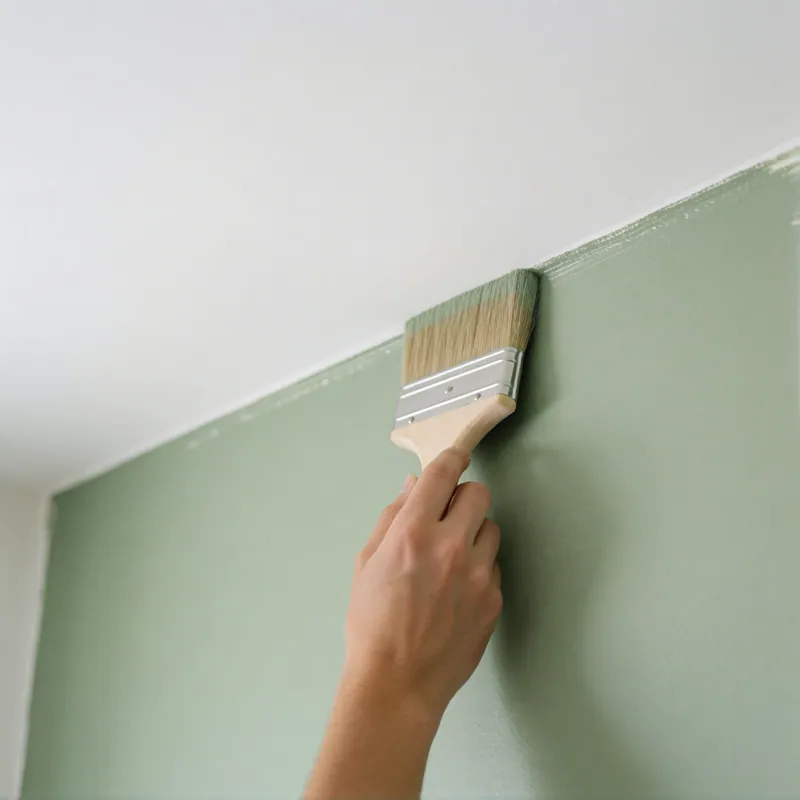 AI-generated illustration. Not a real person, home or business.
Top to bottom, and the edges before the middle.
The ceiling is painted before a drop of wall paint is opened, because paint falls. A spatter from a roller overhead lands on a wall that is still to be painted, not on a finished one.
On the walls the edges come first. A brush cuts in a band along the ceiling line, down the corners and around the trim, and the roller follows while that band is still wet, so the brushed edge and the rolled field dry as one surface. A brush and a roller leave different textures: cut in a whole room and roll it an hour later, and the brushed band shows as a frame around every wall in the light from the window.
A wall is rolled from one corner to the next without stopping, for the same reason. Paint rolled into paint that has begun to dry leaves a lap mark, a stripe of double thickness that catches the light. The second coat goes on when the first can take it.
Dry, then hard. Acrylic paint is dry to the touch in about an hour and ready for its next coat in two to four; a room can be used lightly the next day. It hardens fully over the next month, so books on a fresh shelf or a lamp on a fresh sill wait about five days.
The trim and the doors come last, in enamel, which levels out as it dries and stays soft longer than wall paint. Painted last, nothing brushes against it while it hardens.
Every wall gets two coats, even in the same color. One coat of a color over itself looks finished on the day and thin before long: the old paint shows at the edges and wherever the roller ran dry, and a single coat has not built enough film to wipe clean.
A big change of color is what adds a coat. Going from dark to light, or from light to a deep color, takes a primer first, so that the finish coats are spent on the new color and not on hiding the old one. A deep red painted straight over with white turns pink before it turns white. The scope planner asks about the color in its own words, and only one answer adds the primer:
Which sheen goes where. Flat or matte for ceilings and for walls that should hide their flaws; eggshell for most walls; satin or semi-gloss for kitchens, bathrooms, doors and trim, which are wiped.
Your choice, tested at home. You choose the colors, from any maker's colors; we brush a few large samples on the wall after the walk-through so you can see them in your own light, morning and evening.
By the painter-hour, at one rate, with the paint at its listed price.
The scope planner counts walls at about 180 square feet an hour for the first coat and 240 for each coat after it, and ceilings at about 150 and 200, with the cutting in included. The prep goes on top, by the shape of the walls: one tenth of the painting time again for walls in good shape, three tenths for fair, six tenths for poor, and a day more for the filler to dry on poor walls.
| The time | Before sales tax |
|---|---|
| One painter for an hour | $70 |
| One painter for a day of eight hours on site | $560 |
The time is painter-hours: two painters for a day is sixteen of them. It counts the protecting, the preparation, every coat and the clean-up, and is counted in whole hours. There is no minimum.
A worked example: a planning range
One bedroom, walls only A newer building in Jackson Heights
The scope planner's answer to these questions, at the published rate and prices. A planning range is not an estimate or a quote, and nothing on this site is an offer of work.
$70 a painter-hour, plus sales tax
Whole apartments, co-ops and condos: the building's hours kept, the hall and the elevator protected, a room you can sleep in every night.
$70 a painter-hour, plus sales tax
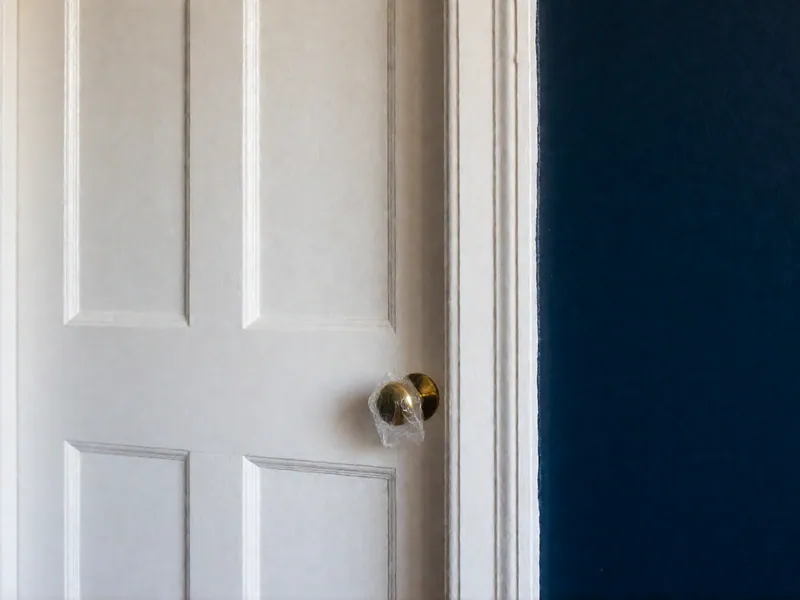
Ceilings, baseboards, moldings, window sashes and doors, in a waterborne enamel, with a straight line at every edge.
$70 a painter-hour, plus sales tax
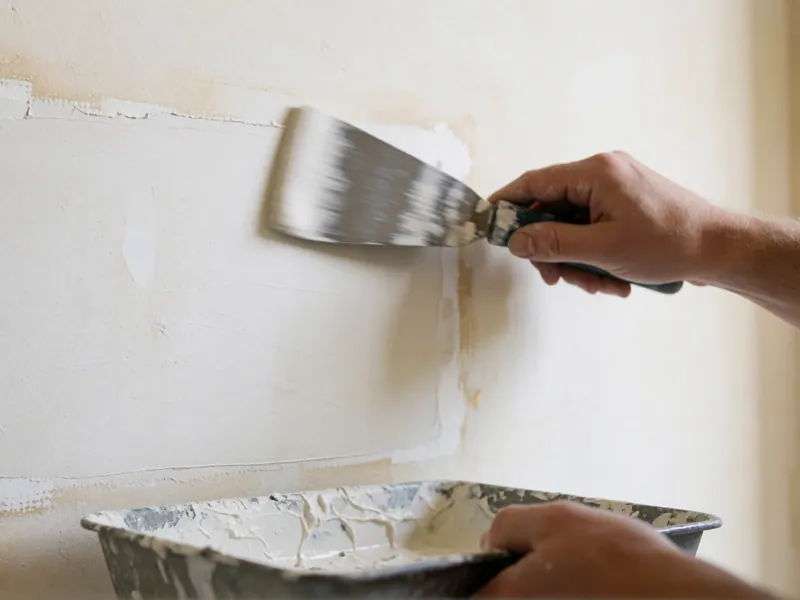
Cracks and holes filled twice, sanded flat and spot-primed, gaps caulked: the work the paint shows or hides.
Try the scope planner: a crew, painter-hours and working days at the published rate, in about two minutes. Sending it to us books nothing.