Every job starts with a walk-through at your home.
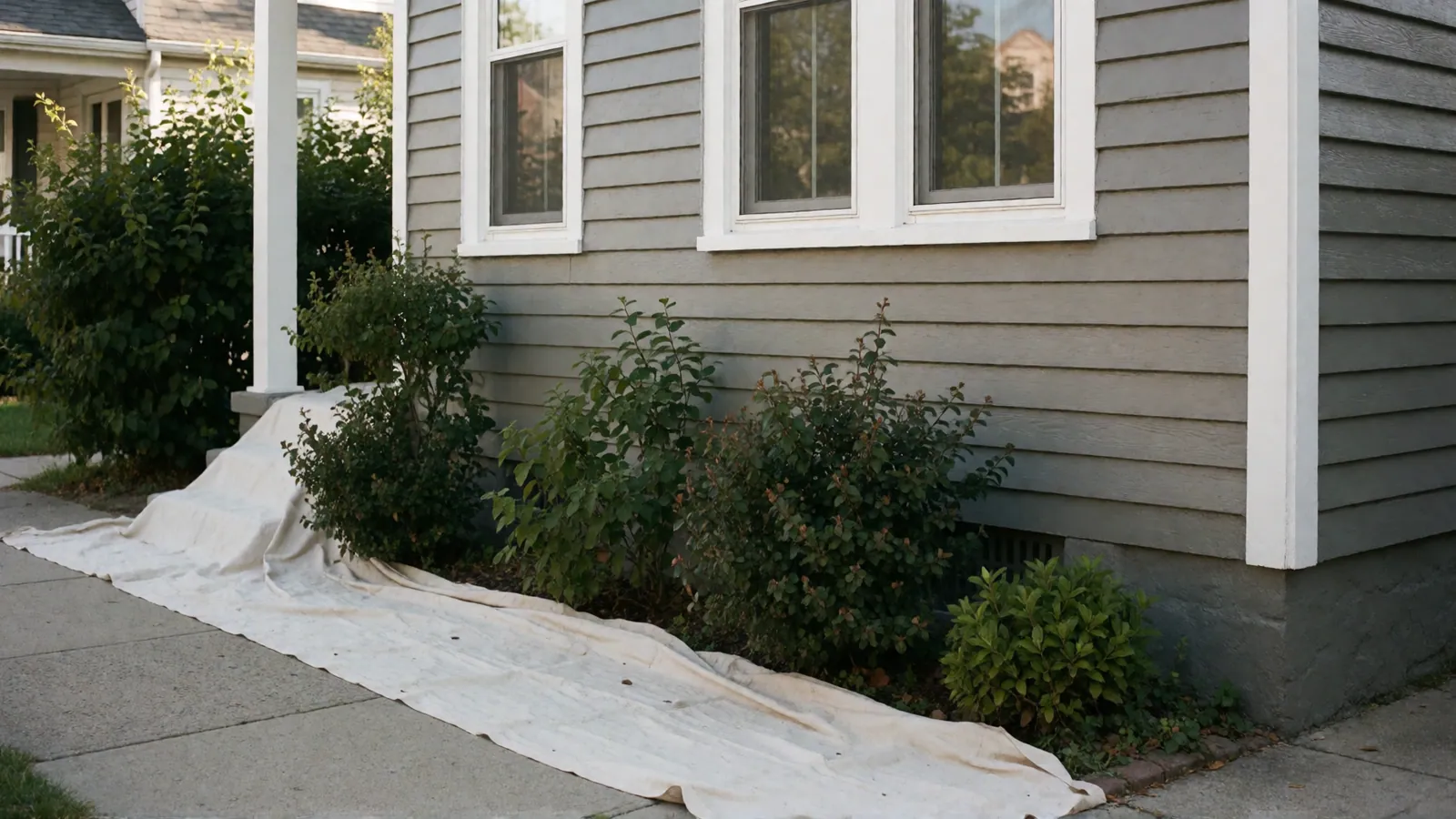
The lower story of a frame house in Queens with gray siding and white window trim, a white porch post at the left, shrubs along the foundation, a canvas drop cloth spread over the walk and the planting bed.

Painting outside

The outside of a Queens house, up to two stories

One- to three-family houses up to two stories: clapboard, aluminum and vinyl siding, brick and trim, from April to November. Seen first.

  • Priced after a site visit
  • Seen first
  • Queens only

AI-generated illustration. Not a real home or business.

What is painted outside, and from where

The houses are the ones Queens is built of: frame houses in clapboard, houses covered in aluminum or vinyl siding decades after they went up, brick row houses with painted trim, and stucco. The work is the walls and the trim, and the stoops, railings and fences in front.

All of it is done from the ground or from supported scaffolding, and that is what sets the height limit in the list below. Above it, the equipment and the rules belong to another trade.

We paint the outside of one- to three-family houses, up to two stories and the gables, working from the ground and from supported scaffolding under forty feet: clapboard, aluminum and vinyl siding, brick and stucco, trim, stoops, railings and fences, from April to November. Every exterior is seen first. We don't work from a swing stage or a suspended scaffold, which in New York City is work for a licensed rigger, or on an apartment building, a fire escape or over the sidewalk.

  • Up to two stories and the gables.
  • From the ground and supported scaffolding.
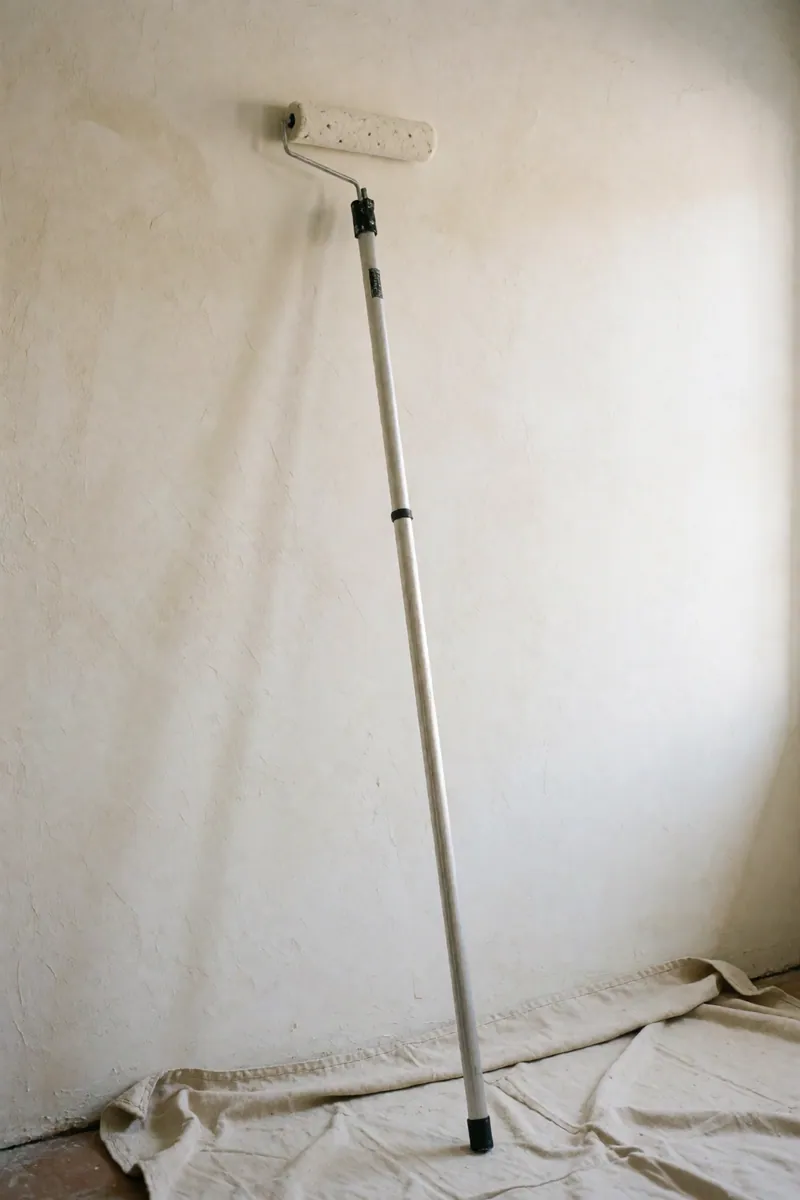
A long aluminum extension pole with a roller on it leaning against a freshly painted warm white wall, a drop cloth at its foot.AI-generated illustration. Not a real home or business.

Marisol Achterberg-Nunes

Owner, walk-throughs

Runs the company and does most of the walk-throughs.

Marisol runs a hand along every wall at the walk-through, because a crack you can feel is a crack the paint will show.

Marisol writes the contract after every walk-through, and reads the prep line back to you before she sends it.

The picture is a still of the tools, not a portrait.
Each kind of wall, prepared its own way

  • Clapboard

    Wood swells and shrinks with the weather, and paint fails on it where water gets behind it. Loose and peeling paint comes off back to a sound edge, the edge is sanded so it does not show through, bare wood is primed, and the open joints and the gaps around the windows are caulked before any color goes on.

  • Aluminum siding

    Old aluminum siding chalks: rub a hand across it and the hand comes away colored. The chalk is washed off first, because paint laid on chalk is laid on powder, and bare metal where the old finish has worn through is primed. Dents stay dents; paint does not fill them.

  • Vinyl siding

    Vinyl grows in the sun and warps if it gets hotter than it was made to. A color much darker than the one it came in makes it hotter, so vinyl is repainted no darker than it was.

  • Brick and stucco

    Painted brick and stucco are washed, the loose paint is brought off, and the cracks in the stucco are filled before they are painted. Loose mortar between bricks is masonry work, which comes first. Brick that has never been painted is a decision rather than a job: once painted, a brick wall has to be kept painted, which is worth talking through at the walk-through rather than on the scaffold.

  • Trim

    The window frames, the doors and the boards at the corners and edges of the house are painted after the walls, in enamel, so that the line between them is cut once.

On a house built before 1978 the paint outside is as old as the paint inside.

Weather, and the order of the day

Outside paint wants a dry wall, dry air and a dry night after it. Paint put onto a wall still damp from rain or from the morning's dew does not grip, and paint caught by rain before it has set runs down the siding in streaks. So outside work goes by the forecast, and a wet morning starts late or not at all.

The season is set by the cold: below a certain temperature paint does not form a proper film as it dries, and in a Queens winter the nights are too cold for it even when an afternoon is not.

The day follows the shade. A wall in full sun dries before the paint can be brushed out, so it skins before it levels and shows every lap; the crew works around the house behind the sun, and finishes a wall from one corner to the next so that no lap dries halfway across it.

And the order is top to bottom, as it is inside: the gables and the upper story before the lower, the walls before the trim, and the stoop and the railing by the front door, which everyone uses, last.

Why every exterior is seen first

The outside of a house cannot be planned from answers. How much paint is loose, how many layers there are, whether the siding chalks, what the trim is made of and where a scaffold can stand on the ground around the house are things somebody has to look at. So an exterior is priced after a visit, in a written contract like any other job.

Related services

Ask for a walk-through

At your home, about forty minutes: every wall, ceiling, door and window, the old paint, the furniture, the building's rules. It costs nothing, and nothing has to be signed after it.