Every job starts with a walk-through at your home.
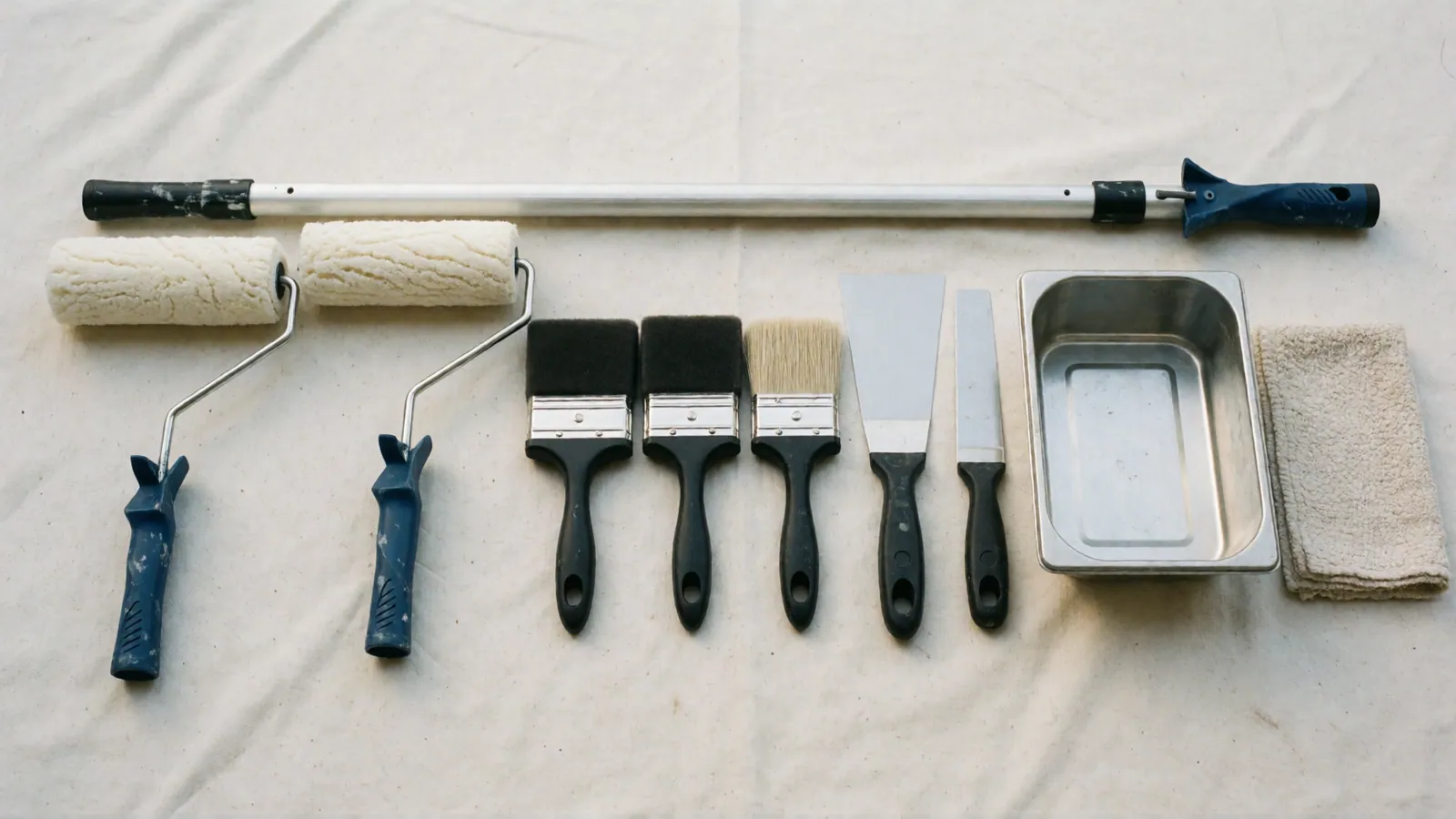
Painting tools laid out on a canvas drop cloth: two rollers on their frames, a long extension pole, two foam brushes and a bristle brush with black handles, a wide taping knife, a narrow putty knife, a steel pan and a folded rag.

About

Who walks through your home, and who paints it

Six people, each described by what they do in your rooms, from the first walk-through to the last coat on the doors.

  • Six people
  • One to three painters a job

AI-generated illustration. Not a real home or business.

Six people, and what each of them does

Six people run this company: an owner who does the walk-throughs, an office coordinator, a second walk-through and color lead, a crew lead, a prep and patching lead, and a painter for doors, trim and wallpaper, each with painters on the crew. None of them is described here by a license, a certification, a course or years in the trade: the law says what a real painter must hold, and these pages say what each of these people does.

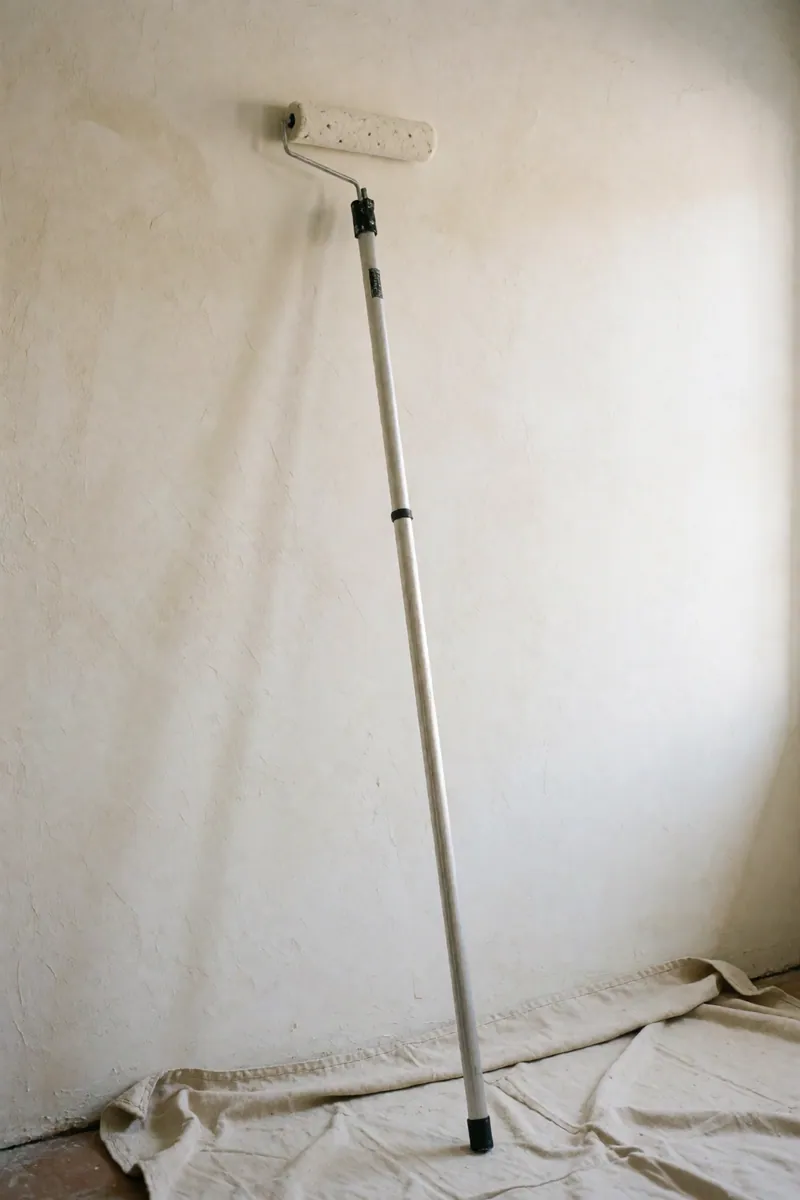
A long aluminum extension pole with a roller on it leaning against a freshly painted warm white wall, a drop cloth at its foot.AI-generated illustration. Not a real home or business.

Marisol Achterberg-Nunes

Owner, walk-throughs

Runs the company and does most of the walk-throughs.

Marisol runs a hand along every wall at the walk-through, because a crack you can feel is a crack the paint will show.

Marisol writes the contract after every walk-through, and reads the prep line back to you before she sends it.

The picture is a still of the tools, not a portrait.
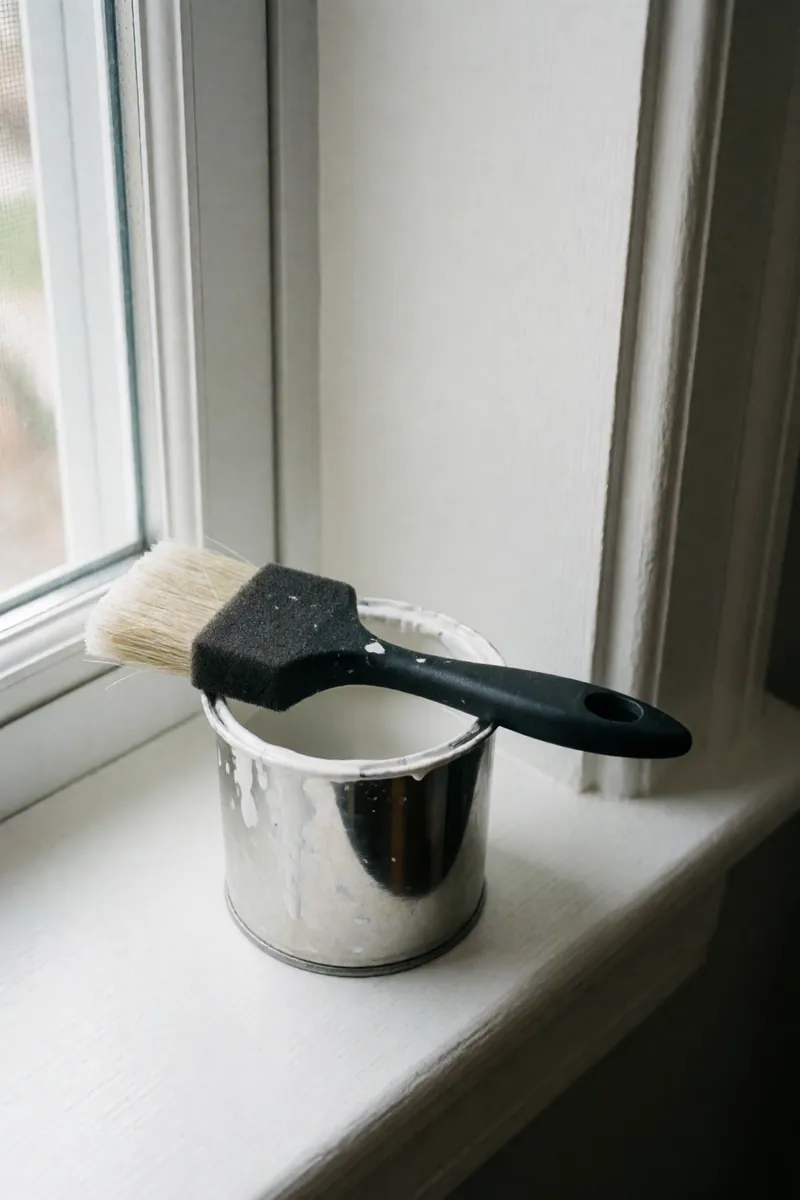
A small steel cup of white paint on a window sill with a foam brush resting across it.AI-generated illustration. Not a real home or business.

Rowan Takahashi-Bell

Office coordinator

Books the walk-throughs and asks each building for its rules.

Rowan asks the managing agent for the building's working hours before anyone asks the painters.

Rowan books the service elevator for the first and the last day of every job.

The picture is a still of the tools, not a portrait.
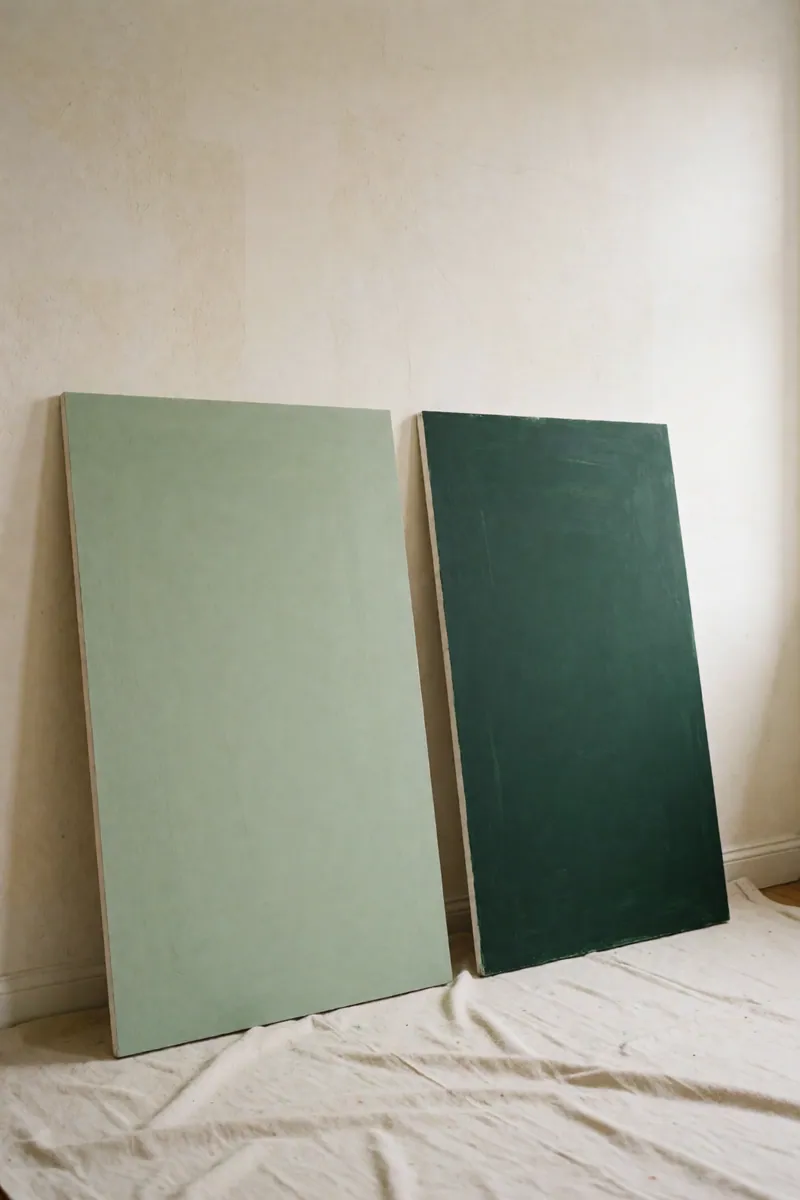
Two large primed boards leaning against a cream wall, one brushed a soft sage green and one a deep forest green.AI-generated illustration. Not a real home or business.

Anjali Ferreira-Lund

Walk-throughs and color

Does walk-throughs, and brushes the color samples on the wall.

Anjali brushes samples two feet square, because a chip the size of a stamp tells you nothing about a wall.

Anjali looks at them with you in the morning and again in the evening light.

The picture is a still of the tools, not a portrait.
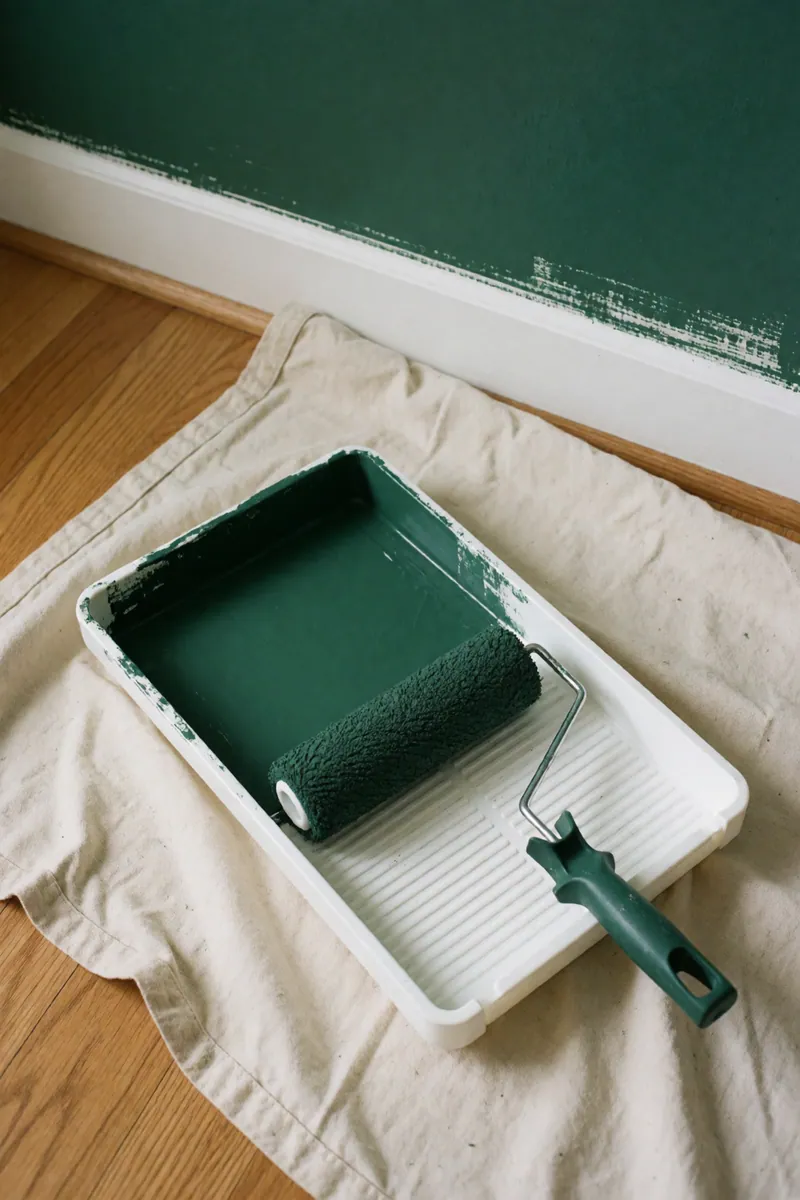
A white roller tray of deep green paint with a roller resting on its ramp, lying on a folded drop cloth by a freshly painted green wall.AI-generated illustration. Not a real home or business.

Casimir Oduya-Hart

Crew lead

Leads the crews in apartments and houses across Queens.

Casimir covers the floor and the furniture before the first brush comes out of its sleeve.

Casimir paints the ceiling first and the trim last, every time.

The picture is a still of the tools, not a portrait.
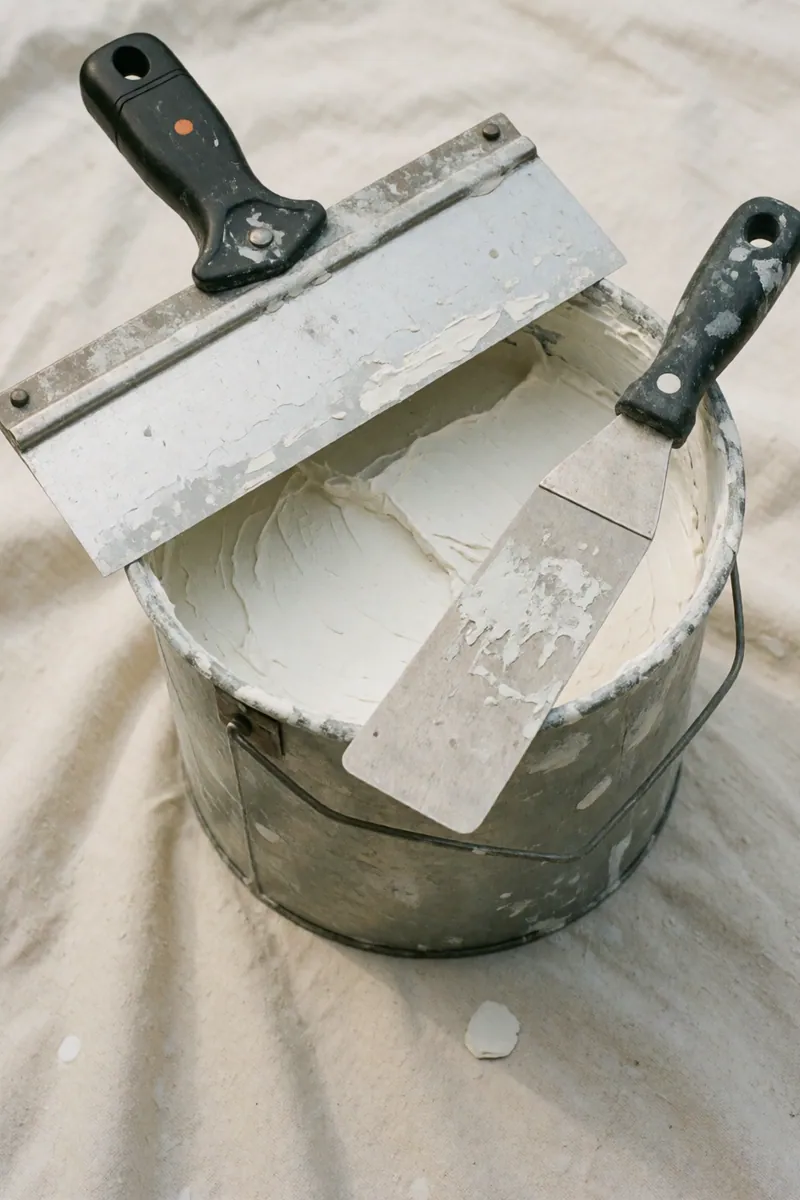
A wide taping knife and a narrow putty knife resting across a steel pail of white joint compound on a canvas drop cloth.AI-generated illustration. Not a real home or business.

Ilse Moraes-Quaye

Prep and patching lead

Fills, sands and spot-primes, and sets up the plastic in older homes.

Ilse fills a crack twice, because filler shrinks as it dries.

Ilse wipes every sill against the cleaning card before a room in an older home is opened again.

The picture is a still of the tools, not a portrait.

A large natural sponge resting on the rim of a gray pail of water beside a bare plaster wall.AI-generated illustration. Not a real home or business.

Tobias Lindqvist-Amadi

Doors, trim and wallpaper

Paints the doors and the trim, and takes old wallpaper down.

Tobias takes the doors off their hinges and paints them flat when the building allows it.

Tobias scores old wallpaper and soaks it, and never sands it off.

The picture is a still of the tools, not a portrait.

Who you meet, and in what order

From the first call to the last door rehung.

  1. The call, or the enquiry

    Rowan in the office books the walk-through, and asks the building for its working hours before anybody asks the painters.

  2. The walk-through

    Marisol does most of them and Anjali the rest. Every wall, ceiling, door and window is looked at, and the cracks are felt as well as seen.

  3. The color samples

    Anjali brushes them on your wall after the walk-through, large enough to judge, and looks at them with you in the morning light and again in the evening.

  4. The contract

    Marisol writes it, and reads the prep line back to you before she sends it, because the prep is the part of a price nobody can see afterwards.

  5. The building

    Rowan books the service elevator for the first and the last day, and gets the building's paperwork settled before a date is fixed.

  6. The painting days

    Casimir leads the crew: the floor and the furniture covered first, the ceilings before the walls, the trim last. Ilse fills, sands and spot-primes ahead of the rollers, and sets up the plastic sheeting in a home built before 1978. Tobias paints the doors and the trim, and takes down any old wallpaper.

  7. The end

    You walk every room with Casimir. Anything missed goes on the touch-up list.

How a crew is sized

By the top of the job's range of painter-hours, so the crew is never too small for the slower case.

A job whose range tops out at sixteen painter-hours or fewer gets one painter. Up to 96, it gets two. Anything larger gets three.

Two painters in a room work as a pair: one cuts in with a brush along the ceiling, the corners and the trim, and the other rolls the wall behind, close enough that the cut-in is still wet when the roller reaches it. Paint that meets wet paint blends; paint laid against an edge that has already dried leaves a band you can see from the doorway.

A third painter on a larger job keeps the prep a room ahead, so filler has dried and been sanded by the time the rollers arrive, and nobody waits for a crack to set.

The painters are on site from 8 am to 4 pm, Monday to Friday. Where a building allows work only at other hours, the building's hours win, and a day on site is shorter.

The crew on each worked example

  • One bedroom, walls only

    A newer building in Jackson Heights. One painter, 6 to 9 painter-hours, 1 to 1½ working days.

  • A prewar one-bedroom, trim and doors included

    A 1930s walk-up in Sunnyside. Two painters, 61 to 86 painter-hours, 4 to 5½ working days.

  • Two bedrooms and a living room, dark to light

    A 1950s co-op in Woodside. Two painters, 62 to 87 painter-hours, 5 to 6½ working days.

  • A living room with a textured ceiling

    A 1970s building in Rego Park. One painter, 10 to 13 painter-hours, 1½ to 2 working days.

  • A kitchen, a bathroom and a hall on your own floor

    A 1920s two-family house in Maspeth. Two painters, 30 to 42 painter-hours, 2 to 3 working days.

What this page does not say about them

There are no reviews, star ratings, awards, counts of homes painted or founding years on this site. The company is invented, so any of them would be invented too.

Plan your painting

Try the scope planner: a crew, painter-hours and working days at the published rate, in about two minutes. Sending it to us books nothing.